Innovations in Modern Construction Technology
The construction industry is evolving at an unprecedented pace. From advanced automation and drone technology to virtual reality walkthroughs and 3D printing in construction, modern innovation is transforming how projects are designed, managed, and executed.
Today’s clients expect more than traditional construction methods—they want precision, transparency, efficiency, and smarter project delivery. Forward-thinking contractors are embracing new construction technologies to improve communication, reduce costly errors, enhance safety, and deliver superior results.
At Edifica, we continuously integrate modern construction technology into our operations to provide clients with streamlined project management, enhanced visualization, and higher-quality outcomes.
The Rise of Construction Technology
Construction technology has become one of the most important drivers of innovation in the industry. As projects grow more complex and client expectations increase, contractors must adopt smarter tools that improve accuracy, coordination, and productivity.
Modern technologies now allow builders to:
Detect design conflicts before construction begins
Improve scheduling and logistics
Monitor jobsites remotely
Reduce material waste
Increase jobsite safety
Enhance client communication
Accelerate project timelines
These innovations are reshaping both residential and commercial construction across the country.
3D Printing in Construction: Revolutionizing Building Methods
One of the most talked-about innovations in construction is 3D printing technology. While still emerging in many markets, 3D printing in construction is rapidly changing how structures and components are manufactured.
What Is 3D Printing in Construction?
Construction-grade 3D printers use automated systems to layer specialized concrete or composite materials, creating structural components or entire buildings with remarkable precision.
Benefits of 3D Printing Technology
Faster Construction Timelines
Automated printing systems can significantly reduce construction durations compared to traditional building methods.
Reduced Material Waste
3D printing allows highly controlled material placement, minimizing waste and improving sustainability.
Increased Design Flexibility
Complex architectural forms and custom elements become easier and more cost-effective to produce.
Improved Precision
Automated systems reduce human error and increase dimensional accuracy.
As innovation continues, 3D printing may play a larger role in affordable housing, modular construction, and specialty architectural projects.
Drone Technology in Construction
Drone technology has become an essential tool in modern construction management. Drones allow contractors to gather real-time aerial data quickly, safely, and accurately.
How Drones Are Used in Construction
Drones are commonly used for:
Site surveys
Progress tracking
Roof inspections
Safety monitoring
Topographic mapping
Pre-construction planning
Documentation and reporting
Benefits of Drone Technology
Enhanced Safety
Drones reduce the need for workers to access dangerous heights or unstable areas during inspections.
Faster Data Collection
Large sites can be surveyed in minutes instead of days.
Improved Project Monitoring
Aerial imagery allows project managers and clients to monitor progress with greater visibility and accountability.
Better Communication
High-resolution visual reports improve coordination among contractors, architects, engineers, and property owners.
At Edifica, drone-assisted site evaluations help improve planning efficiency and provide clients with accurate visual updates throughout the construction process.
Virtual Reality (VR) in Construction
Virtual Reality is transforming the way clients experience projects before construction even begins.
What Is VR in Construction?
VR technology creates immersive digital environments that allow clients to virtually walk through a project before it is built.
Advantages of Virtual Reality
Improved Client Visualization
Clients can better understand layouts, proportions, finishes, and spatial relationships before construction starts.
Better Design Decisions
VR allows changes to be made early in the design process, reducing costly modifications later.
Increased Confidence
Property owners gain clarity and peace of mind by seeing the project in realistic detail.
Enhanced Collaboration
Architects, engineers, designers, and contractors can coordinate more effectively using shared virtual environments.
VR technology helps bridge the gap between concept and reality, leading to more informed decisions and smoother project execution.
Augmented Reality (AR): Bringing Digital Precision to the Jobsite
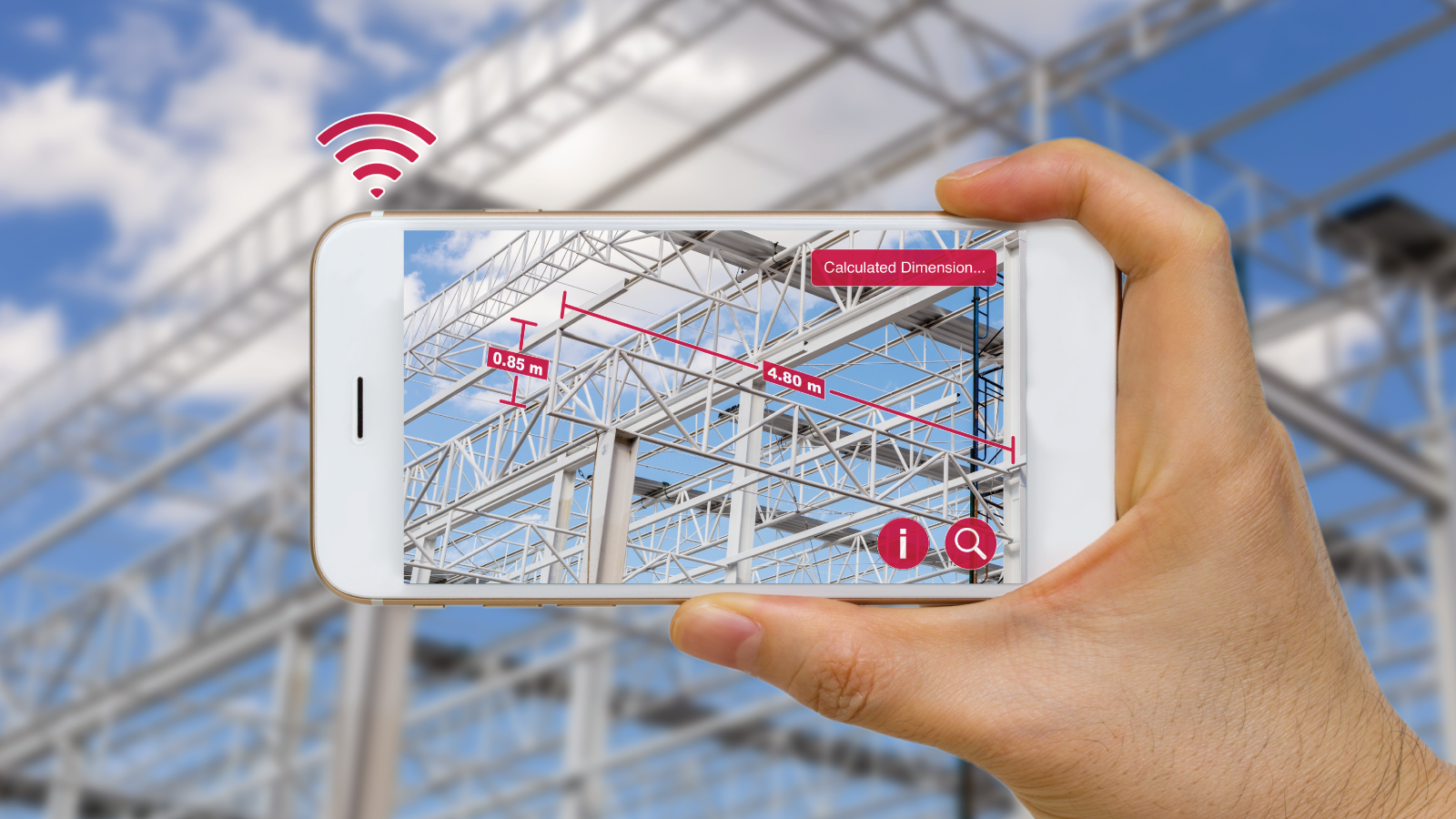
While VR creates immersive environments, Augmented Reality overlays digital information onto real-world spaces.
How AR Improves Construction
AR can help construction teams:
Visualize hidden utilities and systems
Compare installed work to digital models
Improve measurement accuracy
Detect potential conflicts early
Enhance field coordination
This technology reduces rework and improves overall project efficiency.
Building Information Modeling (BIM): Smarter Project Coordination
Another major innovation in construction is Building Information Modeling (BIM).
BIM creates intelligent 3D digital models containing detailed project information including:
Structural systems
Mechanical layouts
Electrical coordination
Plumbing systems
Material specifications
Scheduling data
Benefits of BIM Technology
Clash Detection
Potential conflicts between systems can be identified before installation begins.
Improved Scheduling
Construction sequencing becomes more efficient and predictable.
Cost Control
Better coordination reduces waste, delays, and unexpected expenses.
Lifecycle Management
Digital models provide long-term operational value for maintenance and future renovations.
How Construction Technology Improves Client Experience
Modern construction technology is not only improving operations—it is dramatically enhancing the client experience.
Greater Transparency
Clients receive:
Real-time updates
Visual progress reports
Accurate scheduling information
Better communication throughout the project
Improved Decision-Making
Technology allows property owners to:
Visualize designs more clearly
Evaluate options confidently
Make adjustments before costly construction phases begin
Faster Project Delivery
Automation and digital coordination improve workflow efficiency, helping projects stay on schedule.
Higher Quality Outcomes
Advanced tools improve precision, reduce human error, and enhance construction quality control.
The Future of Innovation in Construction
The future of construction technology continues to evolve rapidly. Emerging innovations include:
Artificial Intelligence (AI) project management
Robotics and automation
Smart building integration
Sustainable construction systems
Predictive analytics for scheduling and maintenance
Contractors who embrace innovation are better positioned to deliver efficient, high-quality, and cost-effective projects.
How Edifica Construction Integrates Modern Technology
At Edifica, we understand that technology is no longer optional in modern construction—it is essential for delivering exceptional results.
Our team integrates advanced tools and digital workflows to:
Improve project planning accuracy
Enhance communication with clients
Streamline site management
Increase efficiency and safety
Deliver higher-quality craftsmanship
By combining innovative technology with hands-on construction expertise, we help clients navigate projects with greater confidence, clarity, and efficiency.
Final Thoughts
Innovation in construction is transforming the industry from the ground up. Technologies such as drones, virtual reality, augmented reality, BIM, and 3D printing in construction are redefining what is possible in project delivery, efficiency, and client engagement.
These tools provide:
Greater precision
Improved project coordination
Enhanced safety
Faster execution
Better overall outcomes
As the construction industry continues evolving, partnering with a contractor that embraces modern construction technology can make a substantial difference in your project experience and long-term results.
Ready to Build Smarter?
Visit Edifica to learn more about our innovative construction solutions and how our team can help bring your project to life with efficiency, precision, and modern expertise.